

Domestic Violence and the Path to Incarceration
.webp)
Domestic violence and incarceration are deeply connected. Most women in U.S. prisons and jails are survivors of domestic or sexual violence, and for many, the abuse they endured is part of what led them there. At The Ladies of Hope Ministries, we see this link every day, and we work to break it. Here is what the numbers show, why a safe phone can be the difference between staying and leaving, and how you can help.
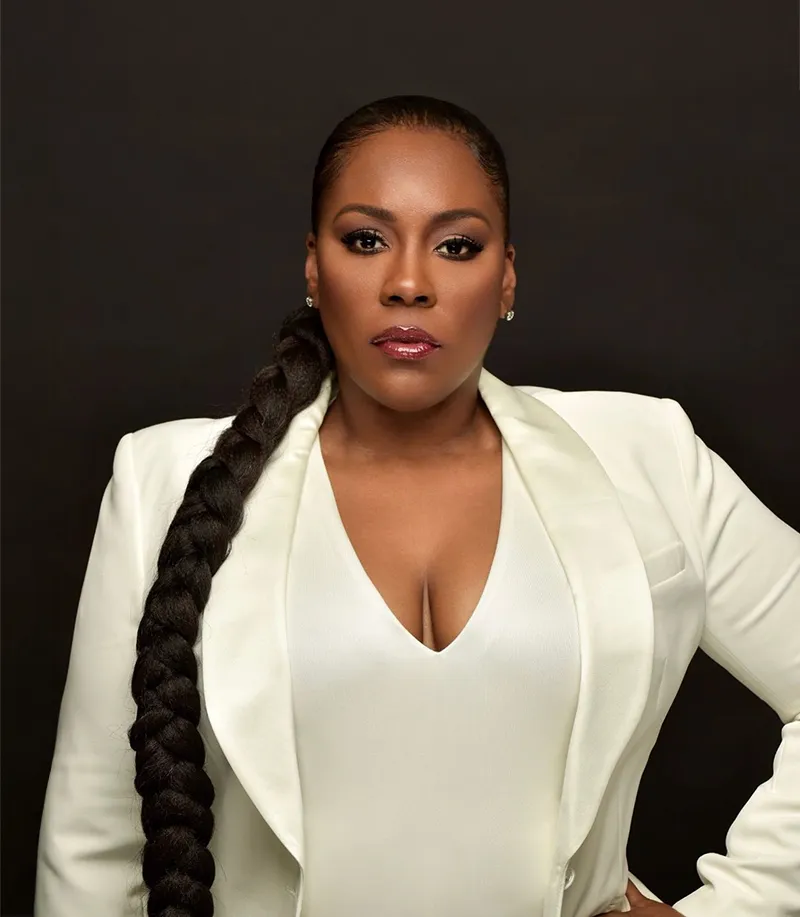
Dr. Topeka K. Sam on domestic violence in Black and Brown communities
Our founder, Dr. Topeka K. Sam, is a featured speaker in More Than a Phone's "More Than a Statistic" series on domestic violence in Black and Brown communities. In her segment, she speaks to early intervention, safe housing, and stopping the cycle of abuse before it deepens. Watch her feature below.
More Than a Phone built the series because behind every statistic is a person. The organization partners with domestic violence programs across the country to give survivors free smartphones and data service, a safe line an abuser cannot track. For someone planning to leave, that phone can be a lifeline.
How many people does domestic violence affect?
Domestic violence affects more than 10 million adults in the United States every year. According to the National Coalition Against Domestic Violence, 1 in 4 women and 1 in 9 men experience severe physical violence, sexual violence, or stalking by an intimate partner in their lifetime. On an average day, that is close to 20 people abused by a partner every minute.
Children live inside these numbers too. Each year, about 1 in 15 children are exposed to intimate partner violence, and 90% of them witness it firsthand. Roughly 15 million children live in homes where partner violence happened in the past year.
Why Black and Brown communities carry a heavier weight
Domestic violence reaches every community, but not equally. The National Coalition Against Domestic Violence reports that about 45% of Black women have experienced intimate partner physical violence, sexual violence, or stalking in their lifetime, and Black women face the highest rate of intimate partner homicide among women. Native and Indigenous women experience even higher lifetime rates. Cultural expectations, distrust of systems that have not protected them, and economic barriers can make it harder to reach for help. That is why culturally specific resources matter.
How domestic violence leads to incarceration
For many women, abuse and incarceration are two chapters of the same story. The National Resource Center on Domestic Violence estimates that 70 to 80% of incarcerated women are survivors of domestic violence. The Vera Institute of Justice found that 86% of women in jail are survivors of sexual violence. Here in New York, where The LOHM was founded, an estimated 9 in 10 women in prison are survivors of physical or sexual abuse.
The paths are painful and familiar. Survivors are coerced into crimes by an abuser. They are criminalized for defending themselves or their children. They turn to survival strategies that the system punishes instead of understanding. Nearly 60% of incarcerated women are mothers of minor children, so the harm reaches the next generation. This is the cycle we work to break.
Why a safe phone can change everything
Leaving an abuser is often the most dangerous moment, and a monitored phone makes it more dangerous still. An abuser who controls the phone can read messages, track location, and cut off the calls that lead to safety. A private, untraceable phone gives a survivor back the ability to call a hotline, reach a shelter, apply for a job, and stay connected to their children.
That is what More Than a Phone provides. The organization partners with domestic violence programs nationwide to give survivors free smartphones and months of data service, distributed through those trusted programs. If you or someone you love needs one, the path is through a local domestic violence program.
Where to find help right now
If you are in immediate danger, call 911. If you are not in immediate danger and want to talk to someone who understands, these resources are confidential and free:
- National Domestic Violence Hotline: call 1-800-799-7233 or visit thehotline.org, available 24/7.
- Find a local shelter or program: search by ZIP code at DomesticShelters.org.
- Culturally specific support for Black women and girls: Ujima, the National Center on Violence Against Women in the Black Community.
A safety note: an abuser may be able to see your browsing history. Use a private or borrowed device when you can, and clear your history if it is safe to do so.
How The LOHM helps survivors rebuild
We will be honest: no single program undoes years of abuse or the weight of a record. What we can do is meet a woman where she is. Through our housing programs, we provide safe, trauma-informed homes and safety planning for survivors of domestic violence. Through reentry support, career training, and advocacy, we help women rebuild income, family, and confidence after incarceration. Our founder, Dr. Topeka K. Sam, built this work from her own experience, and our team is led by women who have lived it.
You can see how this plays out in real lives in Lakeisha's story of rebuilding through Hope House and Lovezella's journey from survival to stability.
More from Dr. Topeka K. Sam
Dr. Sam's advocacy reaches beyond any single program. In her interview Building Safer Futures: Early Intervention to Stop the Cycle of Abuse, she speaks about breaking the cycle of domestic violence through early intervention, recognizing the signs of abuse, and leading with love for survivors. It is the same truth our work is built on: awareness and trauma-informed care are how families and communities keep the next generation safe.
Explore more of her speaking, writing, and advocacy at drtopekaksam.com.
Open a door for a survivor today
Every safe home, every second chance, every door that opens starts with someone who decided to help. You can be that person.
- Support the work: Join us in opening more doors for justice-impacted women today.
- Learn and share: watch and share the More Than a Statistic series so more people understand what survivors face.
Questions? Call us at (646) 820-0011 or email info@thelohm.org.
Frequently asked questions
How are domestic violence and incarceration connected?
Most incarcerated women are survivors of domestic or sexual violence. Survivors are often criminalized for defending themselves, coerced into crimes by an abuser, or punished for survival strategies. Estimates range from 70 to 90% of women in prison having a history of abuse.
What is More Than a Phone?
More Than a Phone partners with domestic violence programs across the country to give survivors free smartphones and data service, a safe line an abuser cannot track. Survivors receive phones through a partnering local domestic violence program, not by applying directly.
How does a safe phone help someone leaving abuse?
A monitored phone lets an abuser track and control a survivor. A private phone restores the ability to call a hotline, reach a shelter, find work, and stay connected to family, which is critical during the dangerous period of leaving.
Where can I get help for domestic violence?
Call 911 if you are in danger. Otherwise, the National Domestic Violence Hotline (1-800-799-7233) is free and confidential 24/7, DomesticShelters.org helps you find local programs by ZIP code, and Ujima offers culturally specific support for Black women and girls.
How does The LOHM support survivors?
The LOHM provides safe, trauma-informed housing, reentry and career support, and advocacy for women impacted by both domestic violence and the criminal legal system, helping them rebuild after abuse and incarceration.